
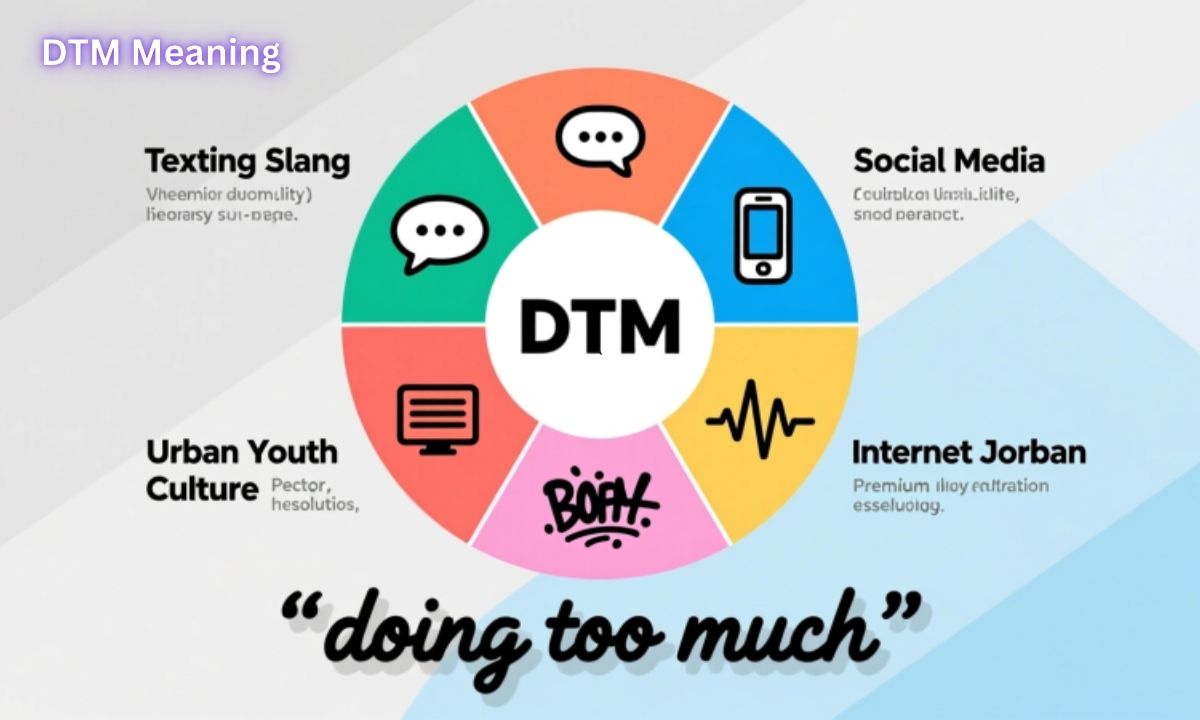
Navigating the world of internet slang acronyms can feel overwhelming, especially when abbreviations like DTM pop up across different platforms.
The DTM meaning in text varies widely depending on where and how it’s used. On platforms like TikTok or Instagram, it might mean “Doing Too Much slang,” describing someone being overdramatic or impressive.
In professional contexts, particularly the garment industry terminology, DTM stands for “Dyed to Match fabric,” a technical term for color matching in apparel. Understanding these variations is essential to avoid awkward misunderstandings of slang in your digital communication trends.
This comprehensive guide explores the context of abbreviations, provides examples of texting slang, compares casual vs professional communication, and offers reply examples for slang terms to help you respond appropriately.
By the end, you’ll understand exactly what DTM on Snapchat, DTM on TikTok, and DTM on Instagram means, plus discover useful alternatives to DTM for various situations.
What Does DTM Mean in Text?
In most text messaging scenarios, DTM typically stands for “Doing Too Much,” a phrase used when someone is being excessive, overdramatic, or putting in extraordinary effort.
This slang usage can be complimentary, like praising a friend who organized an elaborate birthday surprise, or critical, like calling out someone who constantly complains about trivial matters. The tone entirely depends on context and delivery.
Another popular DTM meaning in text is “Down To Meet,” expressing willingness to hang out or make plans. When someone asks if you’re free and you respond “I’m DTM,” you’re signaling availability.
Less commonly, DTM might mean “Dead To Me” when expressing anger or cutting ties, or “Don’t Touch Me” in playful or boundary-setting situations during casual conversations.
Read Also This: https://trueheartblessings.com/igu-meaning-in-text/
Origin Of DTM
The acronym DTM emerged during the 2010s internet slang evolution when platforms like Twitter, Snapchat, and Instagram popularized shortened communication.
As social media acronyms became essential for quick typing, phrases transformed into abbreviations. “Doing Too Much” naturally shortened to DTM, spreading rapidly through youth culture and online communities where brevity mattered most.
While slang usage dominated social platforms, DTM simultaneously existed in professional contexts.
In the garment industry, “Dyed to Match” has been standard terminology for decades, referring to color matching in apparel where buttons, zippers, or trim are dyed to perfectly match fabric.
This dual existence shows how internet slang acronyms and industry-specific language can coexist independently.
Common Meanings of DTM in Slang
| Meaning | Context | Example Usage |
| Doing Too Much | Someone being excessive or overdramatic | “She brought five outfits for one party, she’s DTM” |
| Down To Meet | Expressing willingness to hang out | “Are you DTM tonight for dinner?” |
| Dead To Me | Cutting someone off or expressing anger | “After that betrayal, he’s DTM” |
| Don’t Touch Me | Setting boundaries playfully or seriously | “Stop poking me, DTM!” |
Doing Too Much remains the most recognized interpretation across TikTok, Instagram, and Snapchat.
It captures the essence of someone going overboard, whether positively (impressive dedication) or negatively (unnecessary drama). This flexibility makes it popular in casual communication where tone conveys meaning better than words alone.
Down To Meet serves as a quick planning to meet response in text messaging. It’s efficient, friendly, and keeps conversations flowing without lengthy explanations.
Meanwhile, Dead To Me and Don’t Touch Me represent more specific emotional states, anger or boundary-setting, making them less common but equally valid interpretations depending on relationship dynamics.
Examples of DTM in Conversations
1. Planning to Meet
| Person | Message |
| Friend 1 | “Coffee tomorrow morning?” |
| Friend 2 | “Yeah, I’m DTM around 10!” |
2. Describing Exaggerated Behavior
| Person | Message |
| Friend 1 | “He wore a full suit to the casual brunch” |
| Friend 2 | “Haha that’s so DTM but respect” |
3. Ending a Relationship Socially
| Person | Message |
| Friend 1 | “She spread those rumors about you” |
| Friend 2 | “Seriously? She’s DTM to me now” |
4. Expressing Boundaries
| Person | Message |
| Friend 1 | tries to grab phone playfully |
| Friend 2 | “Ugh DTM I’m texting someone!” |
These examples of texting slang demonstrate how context of abbreviations dramatically changes interpretation. The same three letters convey excitement about meeting up, criticism of excessive behavior, complete social severance, or playful boundary-setting. Understanding these nuances prevents awkward miscommunications in your digital communication trends.
DTM in Different Contexts
Casual Text Messaging
In everyday text messaging, DTM functions as conversational shorthand between friends who understand each other’s communication style. “Down To Meet abbreviation” flows naturally when making spontaneous plans, while “Doing Too Much slang” adds humor when discussing someone’s behavior.
The informal setting allows ambiguity because familiarity provides context that formal communication lacks.
Social Media & Pop Culture
On TikTok, Instagram, and Snapchat, DTM frequently describes “extra” behavior in videos, comments, and captions. Someone posting 20 stories in one hour might get tagged as “DTM” in comments. Pop culture embraces this usage because exaggeration and performance are platform hallmarks.
The phrase becomes both critique and celebration depending on community norms and creator intent.
Professional or Serious Conversations
In professional environments, especially garment industry contexts, DTM exclusively means “Dyed to Match,” referring to precise color matching in apparel production.
Using slang versions here creates confusion. Similarly, in professional communication emails or meetings, avoiding internet slang acronyms altogether maintains clarity. Phrases like “available to connect” or “overcomplicated approach” work better than ambiguous abbreviations.
Common Misunderstandings of DTM
The biggest misunderstandings of slang occur when someone interprets DTM differently than intended. If you text “I’m DTM” meaning “Down To Meet,” but your friend thinks you’re saying they’re “Doing Too Much,” awkwardness follows. These mix-ups happen frequently because context of abbreviations isn’t always obvious, especially in brief messages without tone indicators or emoji support.
In professional or serious conversations, using DTM without clarification causes problems. A fashion designer discussing “Dyed to Match fabric” might confuse younger colleagues familiar only with slang usage.
Conversely, someone using “Doing Too Much” in a work context might seem unprofessional or unclear. Always consider your audience’s familiarity with specific meanings before deploying ambiguous acronyms.
Alternatives & Synonyms for DTM
Polite or Casual Alternatives
When you want to avoid confusion while maintaining a friendly tone, these alternatives to DTM work effectively:
- Down To Meet → “I’m free,” “Count me in,” “Let’s do it,” “I’m available”
- Doing Too Much → “Being extra,” “Over the top,” “Going all out,” “A bit much”
- Don’t Touch Me → “Stop,” “Personal space please,” “Back off (playful),” “Hands off”
- Dead To Me → “We’re done,” “Not speaking anymore,” “That’s it for us”
Professional Alternatives
In workplace or formal contexts, clarity trumps brevity. These professional alternatives eliminate ambiguity:
- Instead of Down To Meet → “Available for a meeting,” “Free to connect,” “Happy to schedule time”
- Instead of Doing Too Much → “Overcomplicating the approach,” “Excessive detail,” “Perhaps simplify this”
- Instead of any slang usage → Use complete sentences explaining exactly what you mean
Reply Examples for DTM
Casual & Playful Replies
- “Haha you’re totally DTM right now but I love the energy 😂”
- “Same here, I’m DTM whenever works for you!”
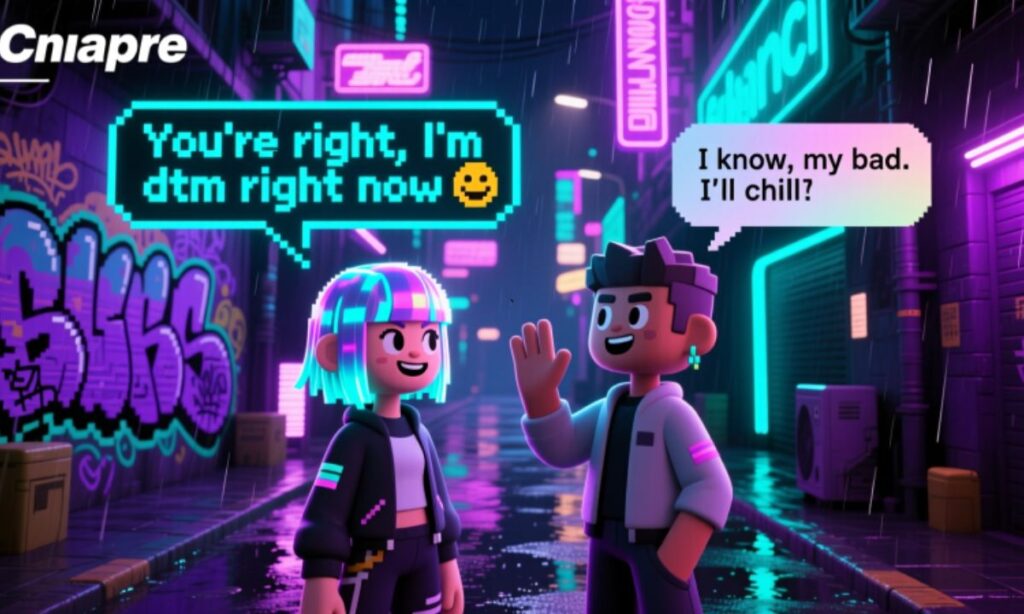
- “Okay okay, I’ll chill, didn’t mean to be DTM 🤷”
Gentle & Supportive Replies
- “You’re not DTM, you’re just passionate about it and that’s awesome”
- “I get what you mean, no worries at all”
- “Appreciate you putting in that effort, really shows you care”
Professional & Polite Replies
- “I’m available for that meeting at your suggested time”
- “Thank you for the thorough analysis; perhaps we can streamline the approach”
- “I understand your concern, let’s address this step by step together”
These reply examples for slang terms show how to acknowledge DTM appropriately based on relationship context.
Casual communication allows humor and abbreviations, while professional communication requires measured, clear responses that maintain workplace decorum without seeming stiff or dismissive.
When to Use or Avoid DTM
Use It When:
- Chatting informally with friends on social media platforms like Instagram, TikTok, or Snapchat
- Making casual plans where “Down To Meet” conveys availability quickly
- Playfully teasing someone for “Doing Too Much” in a lighthearted conversation
- You’re certain your audience understands the intended meaning from context
Avoid It When:
- Communicating in professional settings like emails, business meetings, or formal presentations
- Talking with people unfamiliar with internet slang or generational differences exist
- Clarity matters more than sounding trendy or casual
- Discussing garment industry topics where DTM means “Dyed to Match” exclusively
Why Understanding Nuance Matters
Mastering context of abbreviations prevents embarrassing miscommunications that damage relationships or professional reputation.
When you understand that DTM meaning shifts between “Doing Too Much,” “Down To Meet,” “Dead To Me,” and “Don’t Touch Me,” you read situations accurately instead of assuming one interpretation. This awareness improves both your reception of messages and your sending strategy.
Digital communication trends increasingly rely on abbreviated language, but effective communicators recognize when shortcuts help versus when they hinder.
Knowing your audience, their age, familiarity with social media acronyms, and communication preferences, determines whether DTM strengthens or weakens your message.
The best communicators adapt their style to maximize understanding while maintaining authentic voice.
DTM in Pop Culture and Social Media
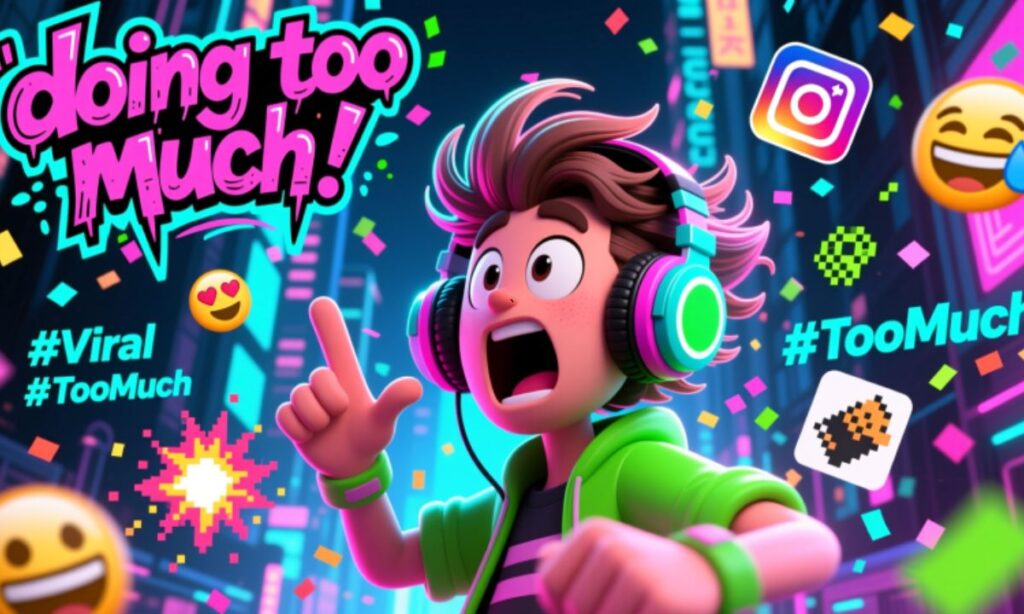
Pop culture embraces “Doing Too Much” as both compliment and critique. Reality TV contestants, influencers, and celebrities often get labeled DTM for dramatic behavior, elaborate stunts, or excessive self-promotion.
TikTok trends frequently feature the hashtag #DTM when creators showcase over-the-top reactions, elaborate makeup tutorials, or unnecessarily complicated life hacks that entertain through their excessiveness.
On Instagram and Twitter, DTM appears in comments when users react to elaborate posts, someone sharing a 10-slide story about their morning coffee might get “you’re DTM 😂” responses.
This usage reflects social media culture’s self-aware relationship with performance and exaggeration. The term simultaneously mocks and celebrates the platform’s inherent tendency toward spectacle and overperformance.
How to Replace DTM in Specific Scenarios
Scenario 1: Making Plans
- Instead of: “I’m DTM”
- Say: “I’m free and would love to,” “Count me in,” “That works for me”
Scenario 2: Describing Someone’s Behavior
- Instead of: “They’re so DTM”
- Say: “They’re being really extra,” “That’s over the top,” “They’re going all out”
Scenario 3: Setting Boundaries
- Instead of: “DTM”
- Say: “Please stop,” “I need space,” “That’s making me uncomfortable”
Scenario 4: Professional Context
- Instead of: Any slang usage
- Say: Complete, clear sentences explaining your exact meaning without ambiguity
Scenario 5: Cutting Someone Off
- Instead of: “You’re DTM to me”
- Say: “I need distance from this relationship,” “We’re not speaking anymore,” “I’m done with this situation”
Read Also This: https://trueheartblessings.com/wrd-meaning-in-text/
Frequently Asked Questions
What does DTM mean in texting?
DTM in texting often stands for “Don’t Tell Me,” used to express surprise or disbelief.
What is the slang meaning of DTM?
In slang, DTM can mean “Down to Meet,” indicating someone is ready to hang out or connect.
Can DTM mean something in social media?
Yes, on social media, DTM can refer to “Direct to Message,” inviting someone to chat privately.
Is DTM used in gaming?
In gaming, DTM can sometimes mean “Drive to Master,” referring to progressing to a high rank.
What does DTM mean in business texting?
In business texting, DTM may be shorthand for “Decision to Make,” signaling an upcoming choice.
Does DTM have a meaning in music?
In music, DTM can stand for “Desktop Music,” often referring to creating music on a computer.
How is DTM used in online forums?
Online, DTM is often shorthand for “Don’t Touch Me,” used jokingly or seriously to set boundaries.
Can DTM mean something romantic?
Sometimes DTM is used as “Down to Marry” in dating conversations.
Is DTM an acronym for anything else?
Yes, DTM can also stand for “Digital Terrain Model” in tech and mapping contexts.
How do I know which meaning of DTM applies?
The meaning of DTM depends on context, like texting, gaming, or professional settings.
Conclusion
Understanding DTM meaning in its various contexts empowers you to navigate digital communication trends with confidence and accuracy.
Whether you encounter DTM on Instagram meaning “Doing Too Much slang,” receive a text asking if you’re “Down To Meet,” or work with garment industry terminology involving “Dyed to Match fabric,” recognizing these distinctions prevents misunderstandings of slang.
The context of abbreviations always determines appropriate interpretation, making audience awareness essential for effective communication.
By learning when to use internet slang acronyms versus when to choose alternatives to DTM, you’ll communicate more effectively across casual and professional settings.
Remember that social media acronyms thrive in informal environments but often confuse or seem unprofessional elsewhere.

Dome Ellis, the founder of TrueHeartBlessings, a space created to bring faith into everyday moments where hope is needed most. Through heartfelt reflections and soul-lifting blessings, my mission is to share divine encouragement, inspire inner peace, and remind readers that even the smallest moments can carry powerful miracles. Every word I write is rooted in love, faith, and the belief that light always finds its way to those who seek it.