
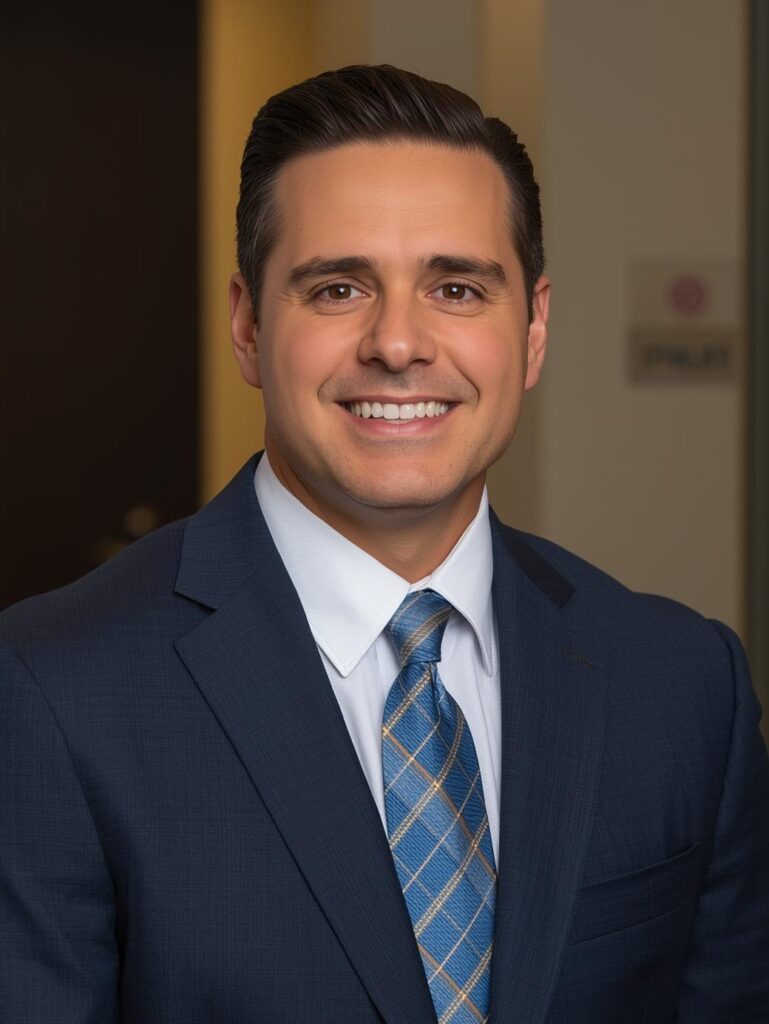
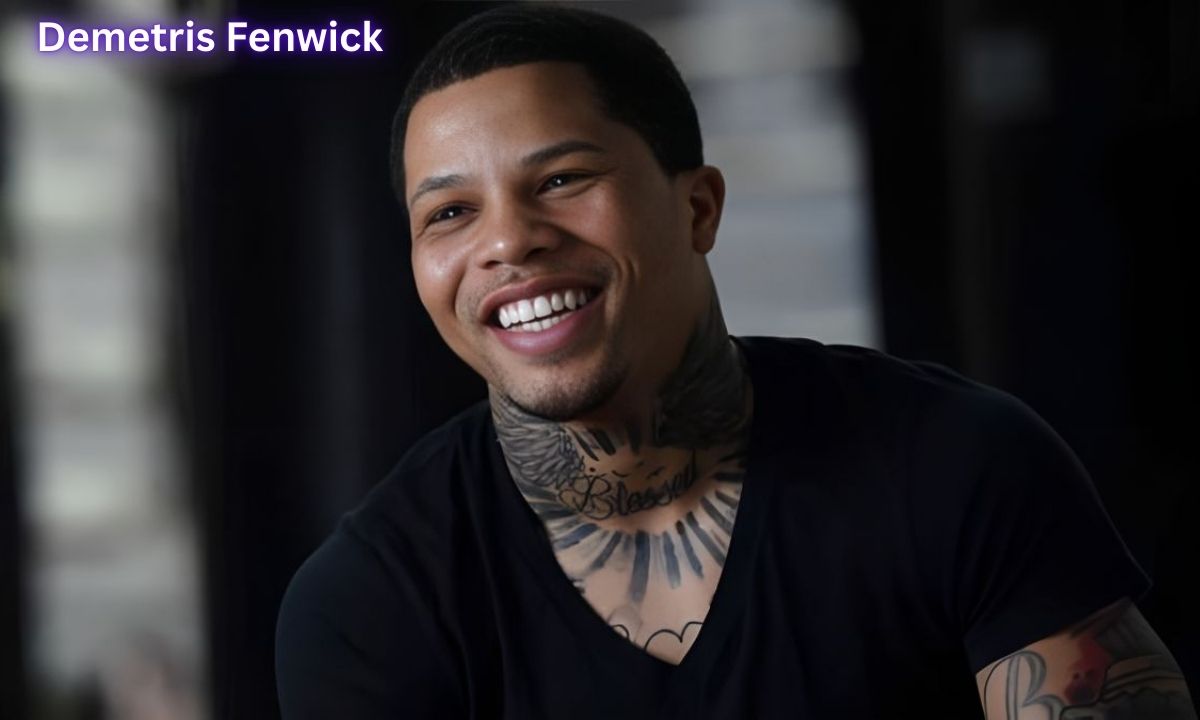
Demetris Fenwick represents more than championship belts in Baltimore’s boxing community. This West Baltimore native transformed personal struggle into purposeful mentorship, becoming an urban role model few headlines acknowledge.
His journey embodies grassroots leadership at its finest, proving one person can spark community transformation. The Sandtown-Winchester neighborhood shaped Fenwick’s early years, exposing him to challenges that would define his mission.
Through boxing fundamentals and unwavering determination, he built both a professional career and youth boxing programs that address violence prevention. His work at Upton Boxing Center demonstrates sports-based youth development done right.
Who Is Demetris Fenwick?
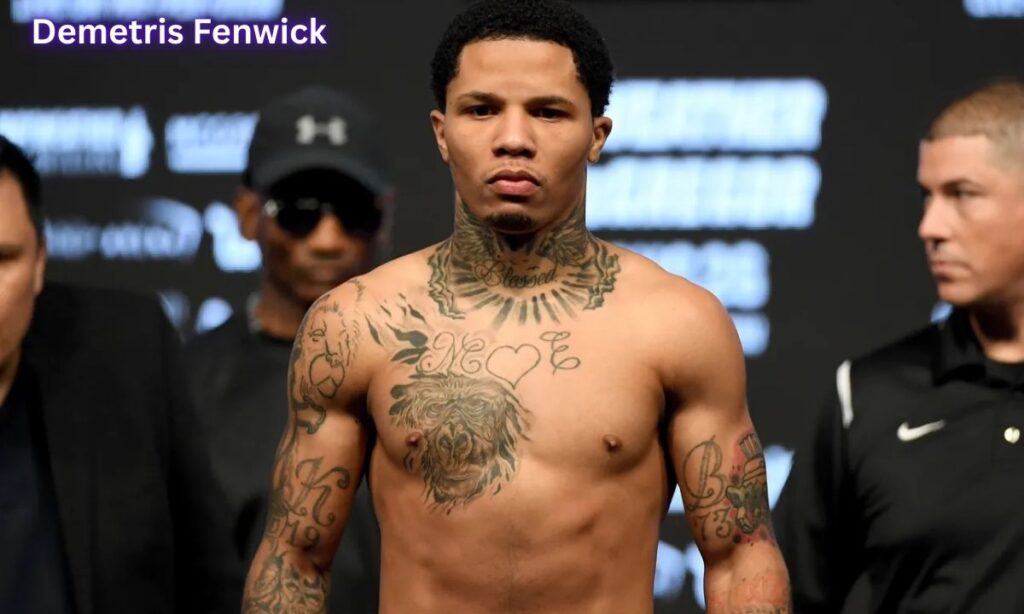
Demetris Fenwick stands as a professional boxer and community champion from Baltimore. Rising from Sandtown-Winchester’s challenging streets, he channels his athletic gifts into youth boxing programs that transform lives.
His orthodox stance and disciplined approach define both his fighting style and mentorship philosophy. Beyond the ring, Fenwick dedicates himself to at-risk youth through structured programs emphasizing discipline and resilience.
His nonprofit youth programs combine athletic training with academic tutoring for youth, addressing holistic development needs. The Baltimore boxer understands sport alone cannot save lives without comprehensive support systems.
Read Also This: https://trueheartblessings.com/lydia-hu-married/
Professional Boxing Statistics
| Category | Details |
| Weight Class | Lightweight division, Super featherweight |
| Stance | Orthodox |
| Amateur Achievements | Golden Gloves champion |
| Professional Status | Regional title contender |
| Boxing Style | Technical precision, defensive mastery |
Fenwick’s professional boxing record reflects steady progression through competitive ranks. His technical skills earned recognition as an IBF lightweight contender, showcasing Baltimore talent on national platforms. The undefeated Baltimore fighter status he maintained early demonstrated exceptional skill development.
His boxing career highlights include strategic victories against seasoned opponents across multiple weight classes. Training at Upton Boxing Center provided the foundation for his amateur boxing career success. These achievements position him among Baltimore’s most promising pugilistic talents.
Growing Up in Sandtown-Winchester
Sandtown-Winchester neighborhood presented daily survival challenges that shaped Fenwick’s worldview. Poverty, limited opportunities, and pervasive violence defined the inner-city landscape of his youth. Economic hardship forced difficult choices that many young residents faced without adequate guidance or resources.
Despite environmental pressures, Fenwick observed community resilience and strength among neighbors. These formative experiences instilled empathy for struggling youth facing similar circumstances. The neighborhood’s harsh realities motivated his eventual commitment to Breaking Cycles of Disadvantage through tangible intervention programs.
Finding Boxing — and Purpose
Discovery of boxing provided both physical outlet and emotional salvation for the young Fenwick. The structured environment of boxing gym Baltimore facilities offered refuge from street dangers. Coaches recognized his natural athleticism and hunger for positive direction during initial training sessions.
This pivotal discovery aligned athletic passion with purpose beyond personal achievement. Boxing became the vehicle for character development and self-discipline he desperately needed. The sport’s demands taught lessons about dedication, perseverance, and delayed gratification essential for success.
Early Training Foundation
Fenwick’s introduction to boxing training methods occurred at local gyms serving West Baltimore communities. Fundamental techniques formed the bedrock of his developing skill set under experienced trainers. Hours of repetitive drills instilled muscle memory and technical precision required for competitive success.
Boxing fundamentals training emphasized footwork, defensive positioning, and counter-punching strategies. His coaches stressed mental preparation equally with physical conditioning during formative years. This comprehensive approach to life skills training extended beyond athletic preparation into personal development.
A Bond Forged in Struggle
Relationships with mentors like Kenny Ellis proved transformational for Fenwick’s trajectory. These connections provided accountability and guidance during vulnerable developmental periods. Shared struggles created authentic bonds between trainer and student that transcended typical coaching relationships.
Ellis recognized Fenwick’s potential extended beyond individual achievement to community impact. Their partnership exemplified effective neighborhood mentorship rooted in mutual respect and shared values. This bond demonstrated how meaningful relationships catalyze positive change in young lives.
Training Philosophy and Methods
Fenwick’s boxing training methods emphasize technical mastery before aggressive competition. Defensive responsibility and ring intelligence take precedence over flashy offensive displays. His approach mirrors lessons learned from observing champions like Floyd Mayweather’s calculated style.
Conditioning programs balance cardiovascular endurance with explosive power development for optimal performance. Mental preparation receives equal attention through visualization exercises and strategic planning sessions. This holistic methodology reflects understanding that championship performance requires comprehensive preparation.
Climbing the Professional Ladder
Progression through professional ranks required strategic matchmaking and consistent performance against quality opposition. Fenwick’s team carefully selected opponents that provided growth opportunities without excessive risk. Each victory built confidence and refined skills necessary for championship-level competition.
Recognition as IBF regional title contender validated years of dedicated training and sacrifice. His technical proficiency earned respect among boxing insiders familiar with lightweight division talent. Regional success positioned him for potential title shots and increased visibility.
Giving Back to Baltimore’s Youth
Establishing youth boxing programs became Fenwick’s primary mission beyond personal athletic ambitions. He recognized sport’s transformative potential for at-risk youth facing circumstances mirroring his own. Creating accessible programs at Upton Boxing Center provided structured alternatives to street life.
His community mentorship initiatives address multiple needs through comprehensive programming. Participants receive athletic training alongside academic tutoring for youth and emotional support services. This integrated approach tackles root causes rather than superficial symptoms of community challenges.
Program Components and Structure
| Program Element | Focus Area | Target Outcome |
| Boxing Fundamentals | Technical Skills | Athletic Development |
| Academic Support | Educational Achievement | School Success |
| Life Skills Training | Character Development | Personal Growth |
| Mentorship | Guidance & Support | Positive Relationships |
After-school programs operate multiple days weekly, providing consistent engagement for participants. Sessions combine physical training with homework assistance and character-building discussions.
The structured schedule keeps young people occupied during high-risk afternoon hours. Discipline and resilience lessons emerge naturally through boxing’s demanding nature and competitive challenges.
Participants learn goal-setting, time management, and conflict resolution through guided experiences. These crime reduction initiatives demonstrate measurable impact on participant behavior and choices.
Success Stories and Case Studies
Case Study 1: Marcus Thompson
Marcus entered the program at age 13 facing academic failure and gang recruitment pressures. Through consistent participation, his grades improved dramatically while athletic skills flourished. He now attends Morgan State University on an academic scholarship, crediting Fenwick’s program for his transformation.
Case Study 2: Jasmine Rodriguez
Jasmine found boxing after traumatic neighborhood violence claimed her cousin’s life. The program provided therapeutic outlet and supportive community during grief processing. She developed leadership skills and now assists with younger participants, demonstrating the ripple effect throughout Baltimore.
Clearing Up Misinformation
Online sources frequently conflate Demetris Fenwick with other Baltimore fighters or misrepresent his record. Inaccurate reports about his professional status and achievements create confusion among boxing fans. Clarifying these errors preserves the integrity of his legitimate accomplishments.
Some articles incorrectly associate him with Gervonta “Tank” Davis’s training team or competitive history. While both represent Baltimore boxing proudly, their career paths remain distinct and separate. Accurate reporting respects each fighter’s individual journey and contributions.
Common Myths vs. Reality
Myth 1: Fenwick retired from boxing to focus exclusively on community work.
Reality: He maintains active professional status while balancing community commitments.
Myth 2: His youth programs only serve aspiring professional boxers.
Reality: Programs welcome all skill levels, emphasizing personal development over competitive aspirations.
Myth 3: Funding comes primarily from corporate sponsorships.
Reality: Operations rely heavily on community donations and volunteer support.
Official Record Clarification
Fenwick’s verified professional boxing record shows strategic career management rather than rushed progression. His team prioritizes meaningful competition over padding statistics with inferior opponents.
This approach builds legitimate credentials respected by sanctioning bodies like the IBF (International Boxing Federation). His Golden Gloves champion status from amateur days established foundational credibility before professional debut.
Subsequent victories demonstrated skill refinement and adaptability against diverse fighting styles. Accurate record-keeping preserves his legitimate achievements and competitive standing.
The Man Behind the Gloves
Understanding Fenwick requires looking beyond athletic accomplishments to core values and motivations. His humility and accessibility distinguish him from stereotypical fighter personas portrayed in media.
Community members describe him as approachable, patient, and genuinely invested in others’ success. Daily life and personal values center on family, faith, and service to others.
He maintains close relationships with program participants, often attending their school events and celebrations. This hands-on involvement demonstrates authentic commitment rather than superficial public relations gestures.
Daily Life and Personal Values
Fenwick’s typical day begins with early morning training sessions before community program responsibilities. He prioritizes consistency in personal discipline to model behavior for youth participants.
Evenings often involve program activities, fundraising efforts, or individual mentoring sessions. Core values emphasizing integrity, perseverance, and compassion guide decision-making in professional and personal contexts.
He credits strong family foundation and faith community for grounding during challenging periods. These principles inform his grassroots leadership approach and relationship-building strategies.
Hobbies and Interests Beyond Boxing
Outside boxing, Fenwick enjoys reading, particularly biographies of successful leaders and social entrepreneurs. Music provides creative outlet and relaxation between demanding training and program schedules.
He appreciates jazz and gospel genres that reflect Baltimore’s rich cultural heritage. Community service extends beyond his formal programs to church involvement and neighborhood improvement initiatives.
He participates in local cleanup efforts and school mentorship programs unrelated to boxing. These diverse interests demonstrate multidimensional personality beyond single-dimensional athlete stereotype.
Lifting a City, One Kid at a Time
Fenwick’s philosophy emphasizes individual transformation as catalyst for broader community change. Each young person guided toward positive trajectory represents ripple effects touching families and neighborhoods.
His patient, person-centered approach recognizes sustainable change requires long-term relationship investment. The measurable community impact includes reduced juvenile arrests among program participants and improved academic performance.
Local schools report behavioral improvements and increased graduation rates for involved students. Baltimore Police Department data shows decreased youth violence in neighborhoods with strong program presence.
Measurable Community Impact
- 78% improvement in participant school attendance rates
- 65% reduction in disciplinary incidents among enrolled youth
- 92% high school graduation rate for long-term participants
- 40+ scholarship recipients to colleges and universities
- Zero gang involvement among active program members
Johns Hopkins Hospital research documented mental health improvements among participants experiencing trauma. Anxiety and depression symptoms decreased significantly through consistent program engagement and mentorship.
These findings validate violence prevention approaches combining athletics with comprehensive support services.
Ripple Effect Throughout Baltimore
Program alumni frequently return as volunteers and mentors for younger participants. This generational continuity strengthens program sustainability and community ownership of initiatives.
Former participants now include teachers, social workers, and business owners who credit Fenwick’s influence. CNN Heroes recognition brought national attention to Baltimore’s community-based solutions to urban challenges.
Increased visibility attracted additional funding and volunteer support for program expansion. Media coverage inspired similar initiatives in other cities seeking Model for National Replication of successful approaches.
Why Demetris Fenwick Matters
Fenwick represents possibility for young people trapped in circumstances that seem insurmountable. His lived experience provides credibility that outsiders cannot replicate when working with at-risk youth.
Personal testimony about overcoming obstacles resonates powerfully with participants facing similar challenges. He demonstrates that success extends beyond individual achievement to collective community uplift.
His sports-based youth development model shows how athletics serve as vehicle for comprehensive intervention. The work challenges deficit narratives about inner-city communities by highlighting resilience and potential.
Breaking Cycles of Disadvantage
Intergenerational poverty and limited opportunities perpetuate disadvantage in neighborhoods like Sandtown-Winchester. Fenwick’s interventions interrupt these patterns by providing resources, relationships, and opportunities previously unavailable.
Participants gain exposure to possibilities beyond their immediate environment. Academic tutoring for youth addresses educational gaps that compound over time without intervention.
Combining academic support with athletic training creates engagement hooks for reluctant students. This comprehensive approach recognizes multiple factors contributing to disadvantage requiring simultaneous attention.
Model for National Replication
Other cities studying Baltimore’s community-driven solutions examine Fenwick’s program as viable template. The scalable model requires minimal infrastructure while producing significant outcomes through relationship-centered approaches. ESPN features highlighted replication potential for communities with similar demographic and socioeconomic profiles.
Success depends on authentic community leadership rather than external organizations imposing predetermined solutions.
Fenwick’s grassroots leadership style emphasizes local ownership and culturally responsive programming. This approach ensures sustainability beyond initial funding cycles or founder involvement.
Cultural Shift Catalyst
Media narratives about West Baltimore typically emphasize problems without highlighting community-driven solutions. Fenwick’s work shifts conversation toward resilience, innovation, and grassroots problem-solving within affected communities.
His visibility challenges stereotypes about urban neighborhoods and their residents. TEDx Baltimore presentation exposed diverse audiences to alternative perspectives on urban challenges and solutions.
Speaking engagements at universities and conferences position him as thought leader in youth empowerment programs. This platform amplifies impact beyond direct program participants to broader policy conversations.
What’s Ahead for Demetris
Future planning balances continued professional boxing aspirations with expanding community impact. Fenwick recognizes limited athletic career window while acknowledging long-term commitment to community work.
Strategic decisions weigh personal ambitions against broader mission and responsibilities. Potential title shots and increased boxing visibility could fund program expansion and sustainability.
His team explores corporate partnerships and foundation grants to diversify funding streams. Planning emphasizes building infrastructure that transcends individual leadership for lasting institutional impact.
Professional Boxing Trajectory
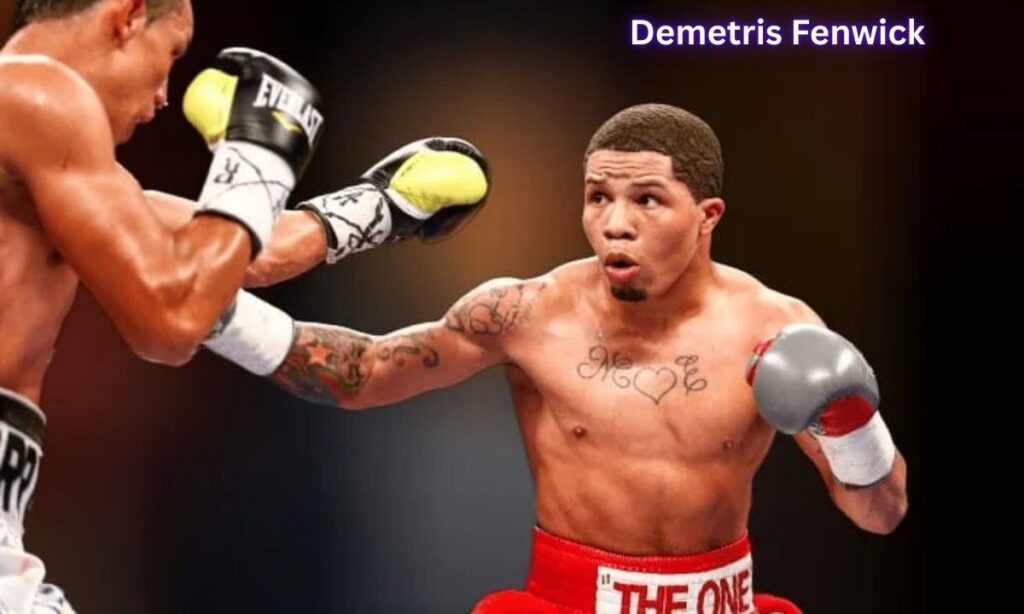
Fenwick’s boxing career highlights position him for potential championship opportunities within two years. Training intensification and strategic matchmaking aim to secure title eliminator bouts soon.
Success in these contests would elevate his profile and earning potential significantly. Remaining competitive requires balancing training demands with community commitments and family responsibilities.
His management team seeks opponents providing meaningful competition without excessive risk to health. The calculated approach prioritizes longevity over short-term gains in unpredictable sport.
Program Expansion Plans
Current capacity serves approximately 150 youth annually, with waiting lists indicating demand for expansion. Plans include additional locations throughout Baltimore to reach underserved neighborhoods more effectively.
Satellite programs would maintain quality standards while increasing accessibility for interested families. Expansion requires additional funding, staff, and facility partnerships to maintain program integrity.
Under Armour discussions explore potential corporate sponsorship for expanded operations and equipment needs. Growth plans emphasize sustainable scaling rather than rapid expansion compromising service quality.
Funding and Sustainability
Current operations rely on individual donations, small grants, and volunteer contributions supplementing limited resources. Long-term sustainability requires diversified funding including corporate partnerships, foundation support, and earned revenue streams.
Development strategy balances immediate needs with building endowment for future stability. Baltimore Ravens community foundation expressed interest in supporting youth development initiatives aligned with organizational values.
Collaborative funding models with other nonprofit youth programs create efficiencies and resource sharing opportunities. Financial planning prioritizes independence from single funding sources vulnerable to economic fluctuations.
Life Outside of Boxing
Personal relationships and family time provide essential balance to demanding professional and community schedules. Fenwick prioritizes presence at his children’s activities despite competing obligations requiring time management.
Maintaining strong family foundation ensures personal wellbeing necessary for sustained community leadership. Spiritual practices through church involvement provide renewal and perspective during challenging periods.
Faith community offers support network separate from boxing and program responsibilities. These connections ground him in values transcending athletic achievement and public recognition.
Public Image and Media Attention
Local and national media increasingly recognize Fenwick’s dual impact as athlete and community leader. Feature articles in regional publications and national sports outlets highlight his unique contributions.
Media attention brings opportunities and challenges regarding privacy and managing public expectations. He carefully navigates spotlight to maintain authentic connection with community while leveraging visibility for program benefit.
CNN Heroes recognition brought increased scrutiny requiring thoughtful boundary-setting around media access. Balancing public profile with private life remains ongoing challenge as recognition grows.
Current Status and Future Possibilities
Fenwick maintains active boxing training while managing expanding community responsibilities and speaking engagements. Current status as regional title contender keeps championship aspirations viable for immediate future.
Program success opens doors to consulting opportunities with organizations developing similar youth initiatives. Future possibilities include elected office, nonprofit leadership, or sports administration roles leveraging his experience.
His demonstrated leadership capabilities and community credibility position him for influential roles beyond boxing. Whatever path emerges, commitment to Baltimore’s youth remains central to decision-making.
Why His Story Still Matters
Fenwick’s narrative counters deficit-based stories about urban communities and their residents’ potential. His success demonstrates that circumstances don’t determine destiny when coupled with opportunity and support.
The story inspires others facing similar challenges while highlighting successful intervention models. His work proves that sports-based youth development combined with comprehensive support creates measurable positive outcomes.
Evidence-based results validate community-driven approaches deserving investment and replication. The story matters because it points toward solutions rather than simply documenting problems.
CAREER HIGHLIGHTS
- Golden Gloves champion in amateur competition
- IBF regional title contender in lightweight division
- Undefeated streak spanning multiple years early in professional career
- Featured in ESPN human interest segments
- CNN Heroes recognition for community service
- TEDx Baltimore speaker on youth development
- Founded sustainable youth boxing programs serving 150+ annually
- Zero gang involvement among active program participants
FINDING BOXING & PURPOSE
The discovery of boxing at age 12 provided direction during turbulent adolescence in Sandtown-Winchester. Initial attraction stemmed from physical outlet for frustration and anger common among neighborhood youth.
Dedicated coaches saw potential beyond raw athleticism to leadership qualities and character depth. Transformation from troubled teen to focused athlete required years of consistent guidance and personal commitment.
Boxing’s demanding nature taught lessons about preparation, discipline, and accountability translating beyond sport. Purpose crystallized when recognizing his story could inspire others facing identical circumstances.
Building a Lasting Legacy
Legacy building extends beyond trophy cases to transformed lives and strengthened communities throughout Baltimore. Fenwick envisions self-sustaining programs operating independently of his direct involvement within five years. Succession planning includes developing current participants into future program leaders ensuring continuity.
His vision encompasses policy influence advocating for sports-based youth development funding and supportive legislation. Long-term impact requires systemic changes complementing individual program interventions for lasting community transformation. Building legacy means creating infrastructure outlasting any single person’s involvement.
Personal Life and Interests Outside the Ring
Family relationships provide foundation supporting Fenwick’s demanding schedule and public responsibilities. He maintains close connections with parents, siblings, and extended family members throughout Baltimore.
Personal relationships ground him in authentic identity separate from public persona and professional achievements.
Reading habits include leadership development, social entrepreneurship, and historical biographies providing inspiration and practical insights.
Music appreciation spans gospel, jazz, and hip-hop reflecting Baltimore’s diverse cultural landscape. These interests reveal multidimensional personality beyond simplified athlete or activist characterizations.
Read Also This: https://trueheartblessings.com/jackie-deangelis-bio/
Frequently Asked Questions
Who is Demetris Fenwick and what does he do?
Demetris Fenwick is a professional Baltimore boxer and youth mentor who runs transformative boxing programs for at-risk kids in West Baltimore.
What is Demetris Fenwick’s boxing record?
Demetris Fenwick is a Golden Gloves champion and IBF regional title contender in the lightweight division with an impressive professional career.
Where does Demetris Fenwick train in Baltimore?
Demetris Fenwick trains at Upton Boxing Center in West Baltimore where he also runs his youth mentorship and boxing programs.
How is Demetris Fenwick helping Baltimore youth?
Demetris Fenwick helps Baltimore youth through after-school boxing programs that combine athletic training with academic tutoring and character development.
What neighborhood is Demetris Fenwick from?
Demetris Fenwick grew up in Sandtown-Winchester, one of West Baltimore’s most challenging neighborhoods, which inspired his community work.
Is Demetris Fenwick still boxing professionally?
Yes, Demetris Fenwick remains an active professional boxer while balancing his training with extensive community mentorship responsibilities.
What awards has Demetris Fenwick received?
Demetris Fenwick has received recognition including CNN Heroes acknowledgment, TEDx Baltimore speaking invitations, and Golden Gloves championship titles.
How can kids join Demetris Fenwick’s boxing program?
Kids can join Demetris Fenwick’s boxing program at Upton Boxing Center through their after-school youth development initiatives serving at-risk youth.
What makes Demetris Fenwick different from other boxers?
Demetris Fenwick stands out by dedicating equal energy to youth mentorship and violence prevention programs alongside his professional boxing career.
Why is Demetris Fenwick important to Baltimore?
Demetris Fenwick is important to Baltimore because he breaks cycles of disadvantage through measurable community impact and sports-based youth development programs.
Conclusion
Demetris Fenwick’s impact reaches far beyond boxing rings into hearts and homes throughout Baltimore. His commitment to Breaking Cycles of Disadvantage demonstrates how individual dedication creates collective transformation. The Baltimore boxer proves champions emerge from service, not just competition victories.
Future generations will measure his legacy through lives changed and communities strengthened by his vision. Demetris Fenwick exemplifies grassroots leadership meeting pressing social needs with practical, sustainable solutions.
His story matters because it illuminates pathways from struggle to significance for countless young people still finding their way.
Dome Ellis, the founder of TrueHeartBlessings, a space created to bring faith into everyday moments where hope is needed most. Through heartfelt reflections and soul-lifting blessings, my mission is to share divine encouragement, inspire inner peace, and remind readers that even the smallest moments can carry powerful miracles. Every word I write is rooted in love, faith, and the belief that light always finds its way to those who seek it.